- 1.0 Section 1. Introduction
- 1.1 What this book is about
- 1.2 What makes this book better than others?
- 1.3 How to read this book?
- 1.4 About the author
- 1.5 About the illustrations
- 1.6 Why do you need this?
- 1.7 Is it easy to live by planning?
- 2.0 Section 2. Let us talk about time
-
 2.1
How much time do we have?
-
 2.2
Time limitation
- 3.0 Section 3. Favorable productivity factors
-
 3.1
The right environment
-
 3.2
The right environment
-
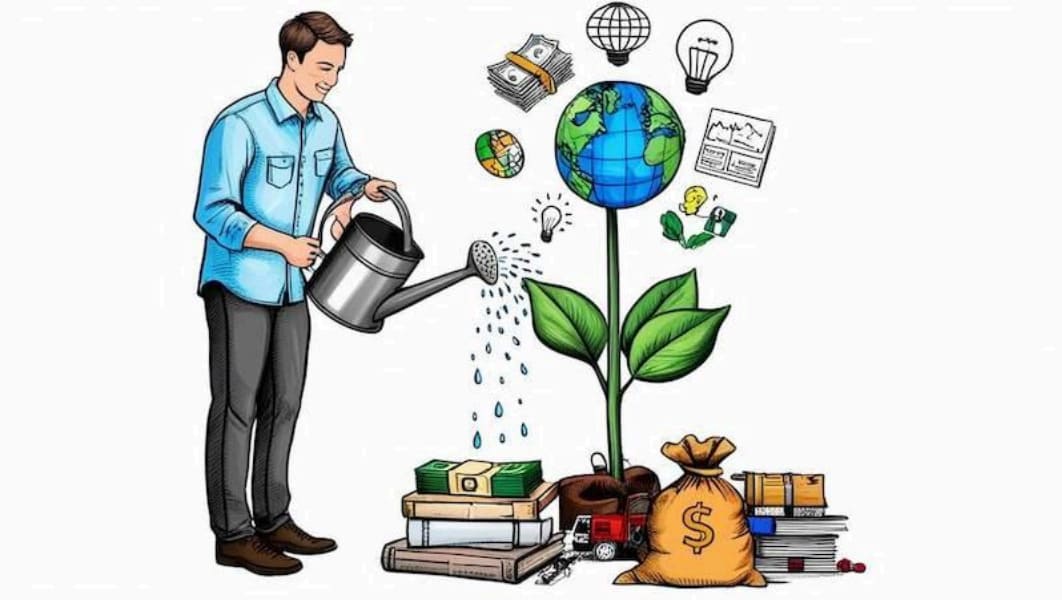 3.3
Habits
-
 3.4
Daily review of goals
-
 3.5
Praise yourself
-
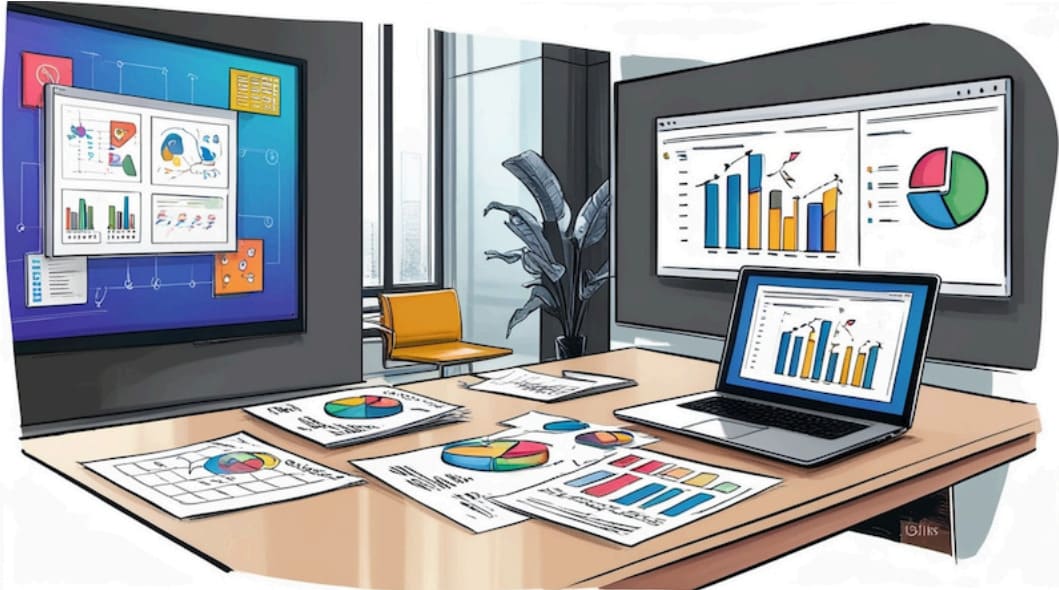 3.6
Visualisation
-
 3.7
Public contract
-
 3.8
Order in thoughts, at home and virtual
-
 3.9
Backlog
-
 3.10
Backups
-
 3.11
Idleness Isn't So Bad
-
 3.12
Goals by the SMART Method
-
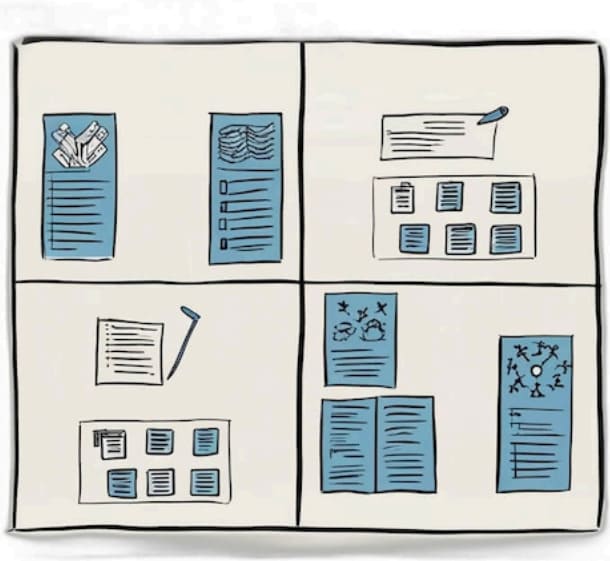 3.13
Eisenhower Matrix
-
 3.14
Money Solves Everything
-
 3.15
Learn to Say "No"
-
 3.16
Find an Assistant
-
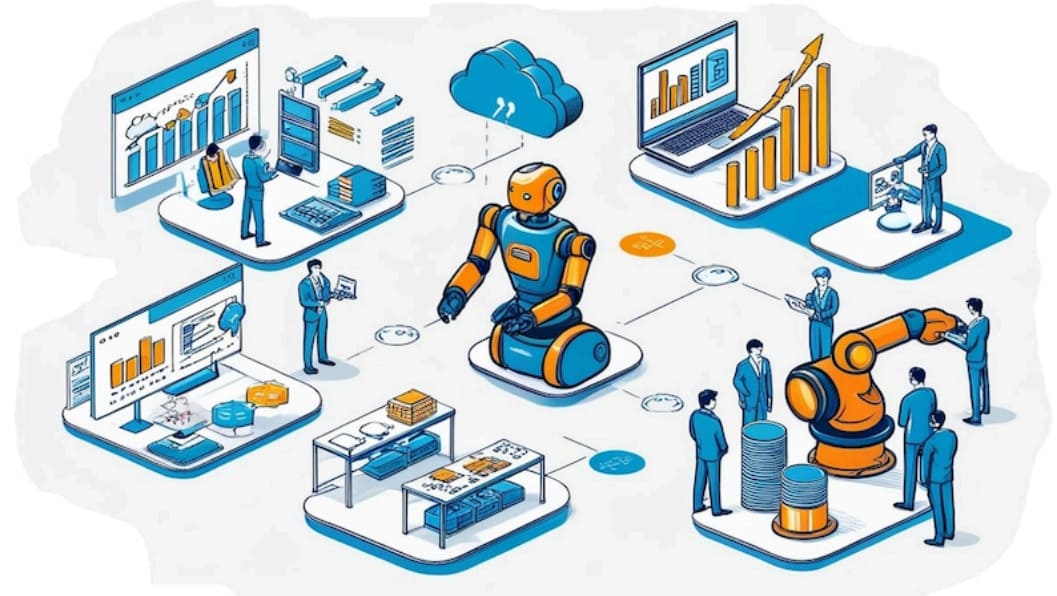 3.17
Automation
-
 3.18
Artificial Intelligence
-
 3.19
Teamwork
-
 3.20
Good Health
-
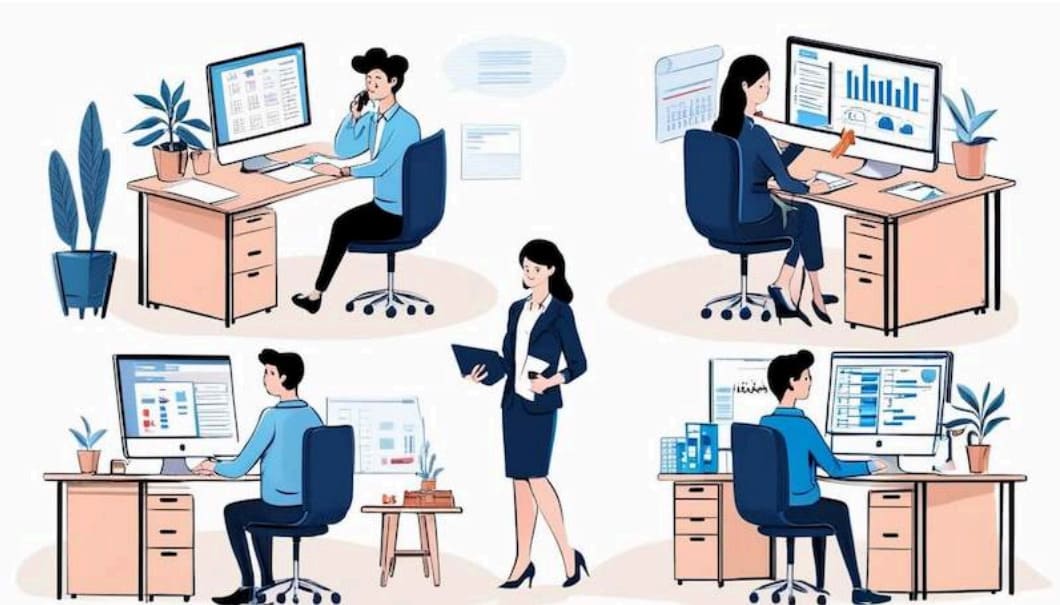 3.21
Permanent Work
-
 3.22
Step Out of Your Comfort Zone and Openness to New Things
-
 3.23
The Internet
-
 3.24
Investments in Education
-
 3.25
Circles of Interests
-
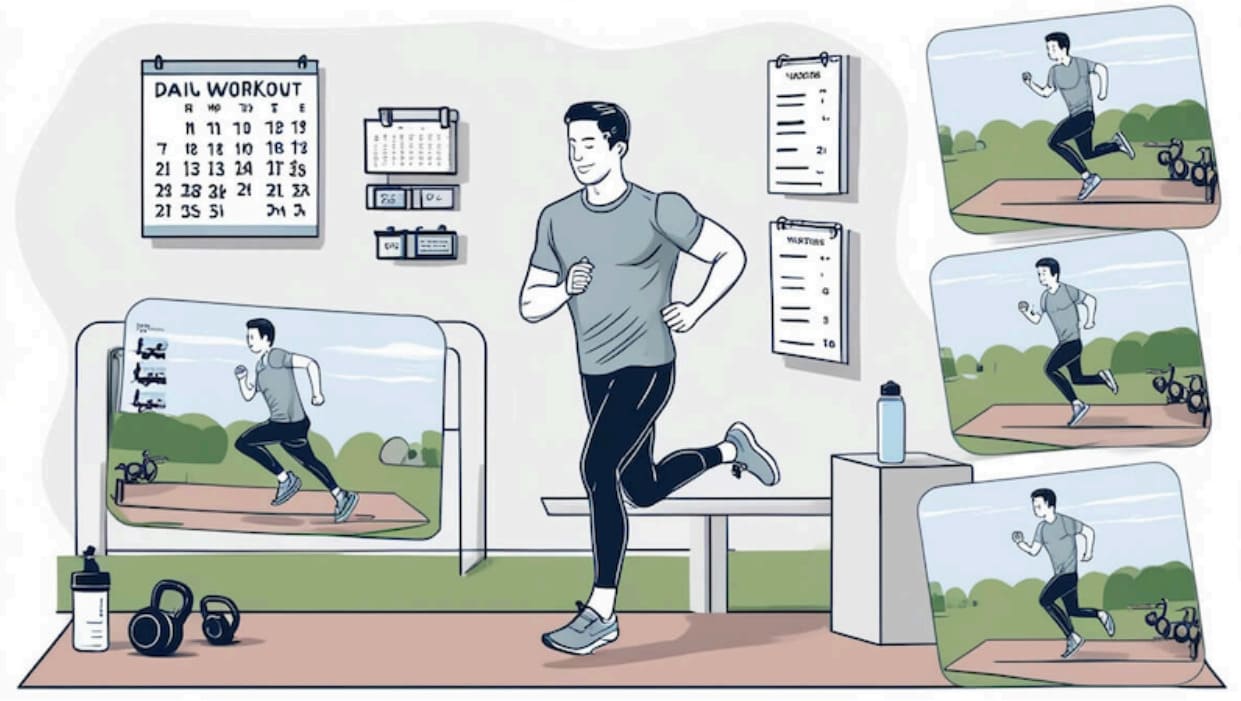 3.26
Deliberate Practice. Sincere Unfamiliar Practice
-
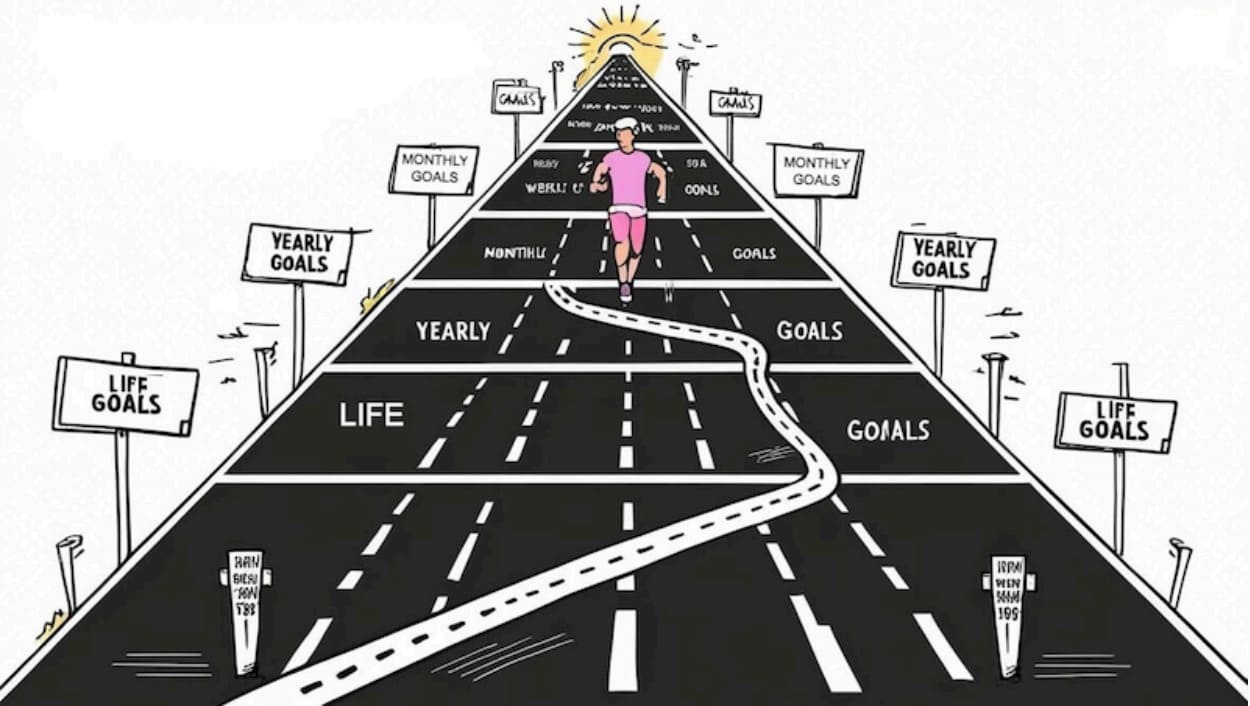 3.27
Pyramid of Goals
-
 3.28
Understanding Regression to the Mean
-
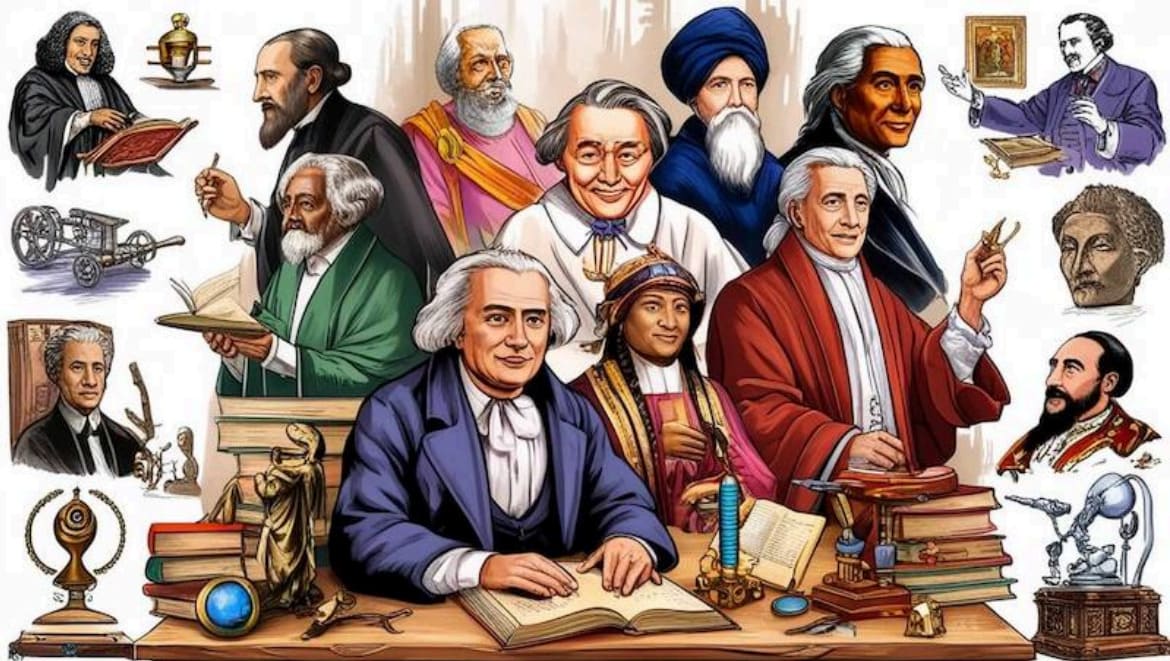 3.29
Daily Routines of Great People
-
 3.30
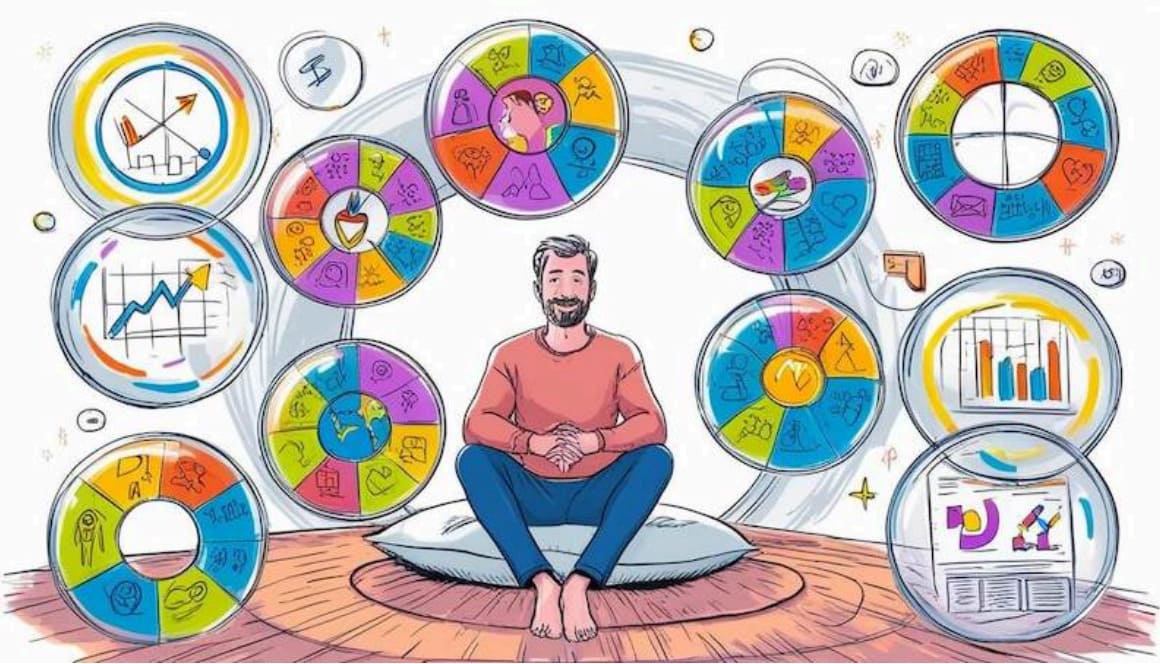
Multiple Plans
- 4.0 Section 4. Slowing productivity factors
-
 4.1
Damage to the Brain's Striatum
-
 4.2
Procrastination
-
 4.3
Squandering and Impulsivity
-
 4.4
Early Marriage and Family
-
 4.5
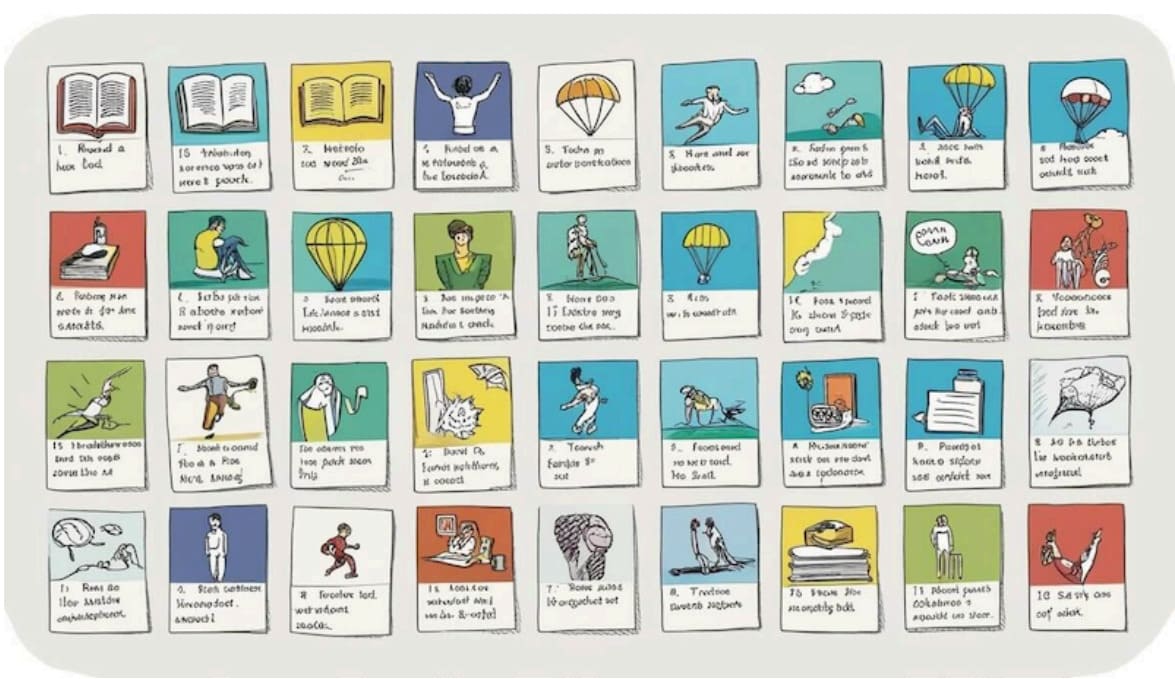
Map of Goals and Things to Do
-
 4.6
Fears
-
 4.7
Pseudoscience
-
 4.8
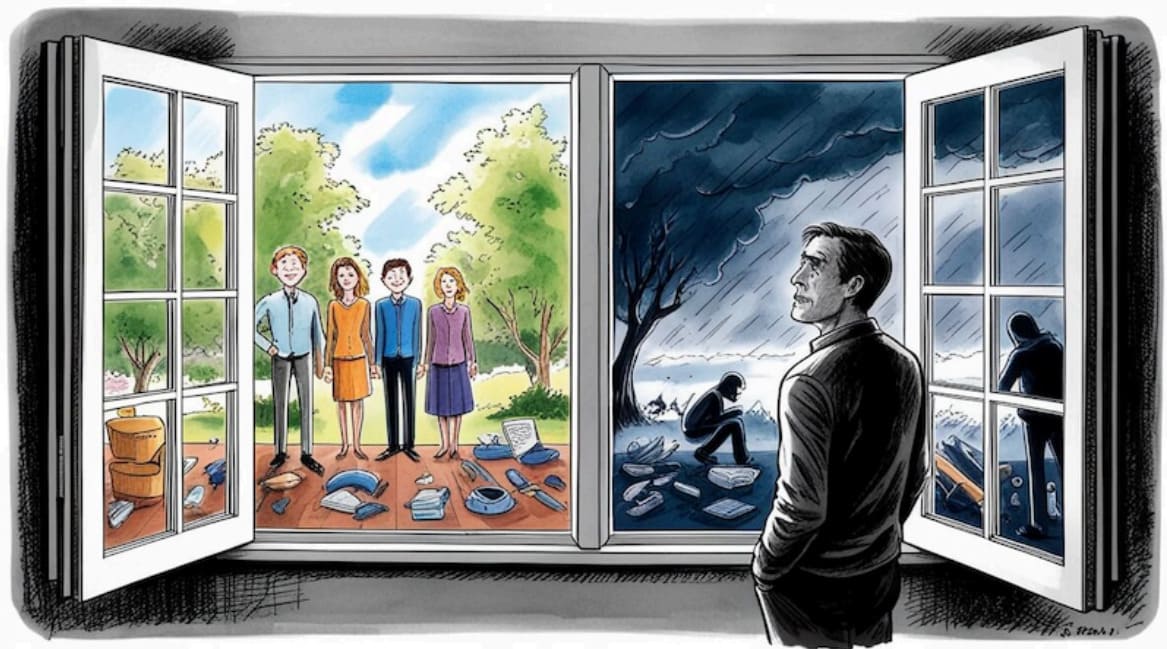
Prejudices
-
 4.9
Life experience of older generations
-
 4.10
Religion
-
 4.11
Superstitions
-
 4.12
Cognitive bias and intuition
-
 4.13
Time fragmentation
-
 4.14
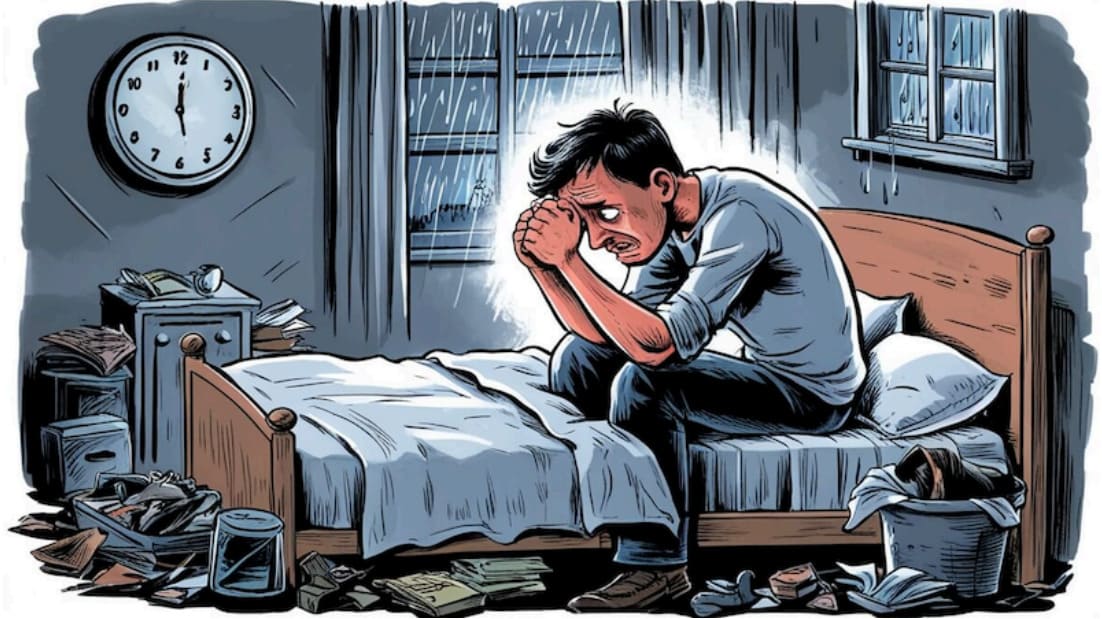
Feeling of anxiety
-
 4.15
Making wishes on New Year's Eve
-
 4.16
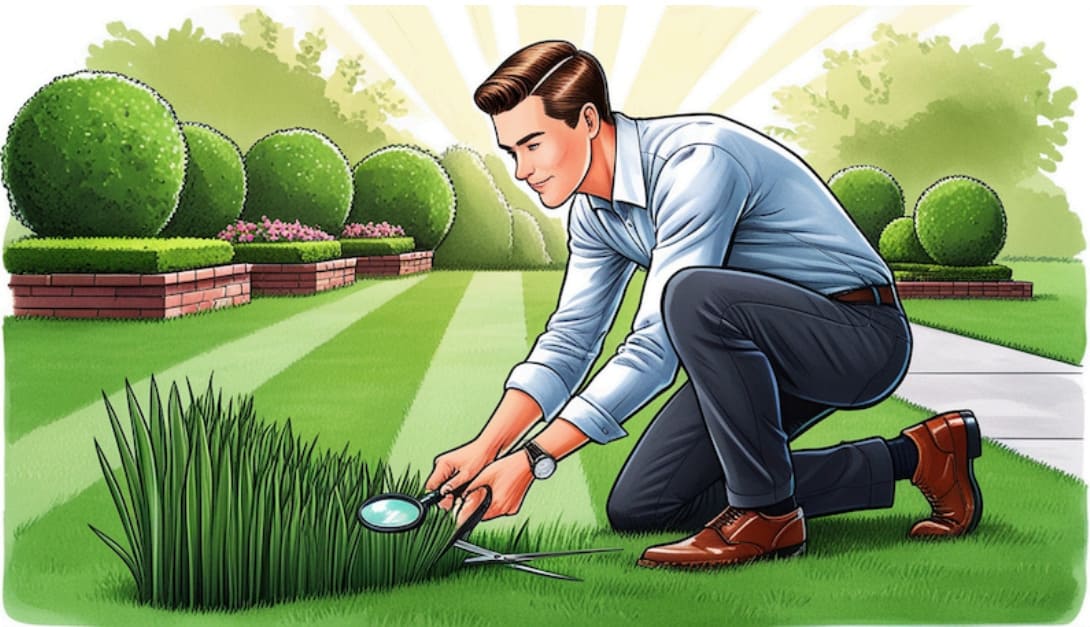
Perfectionism
-
 4.17
Radio
-
 4.18
Goals from childhood
-
 4.19
Remaking yourself and early rising
-
 4.20
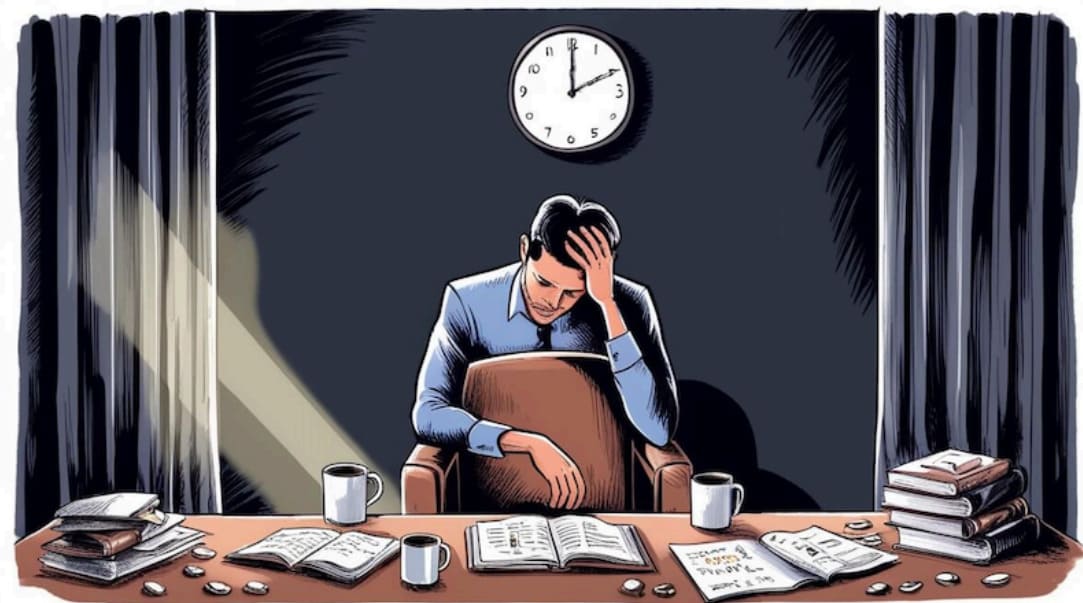
Fatigue
-
 4.21
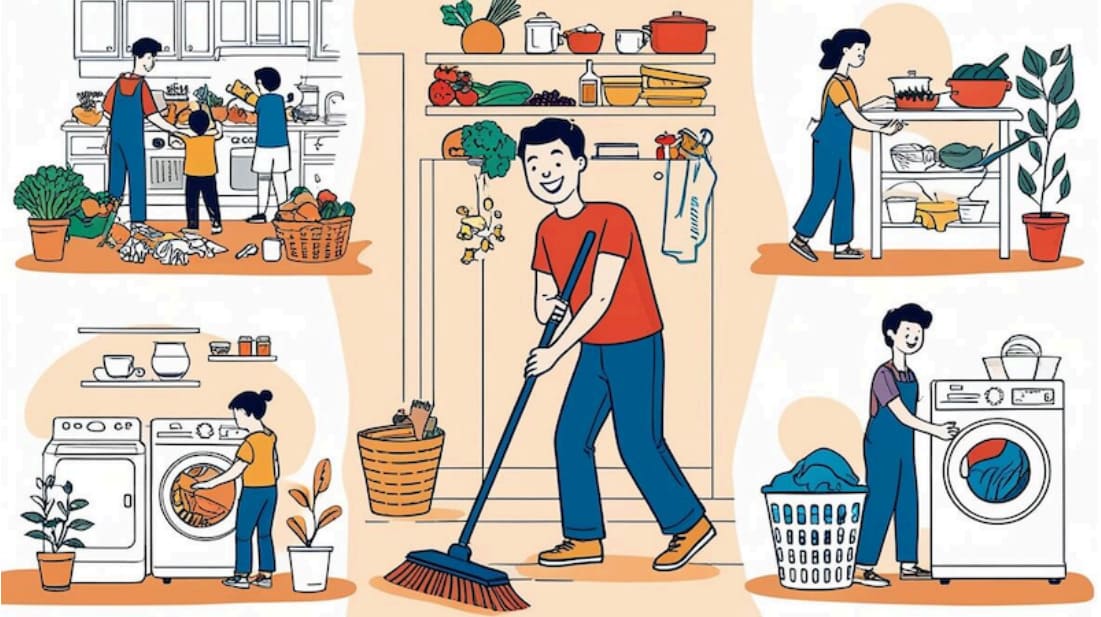
Household tasks
-
 4.22
Laziness disguised as being very busy
-
 4.23
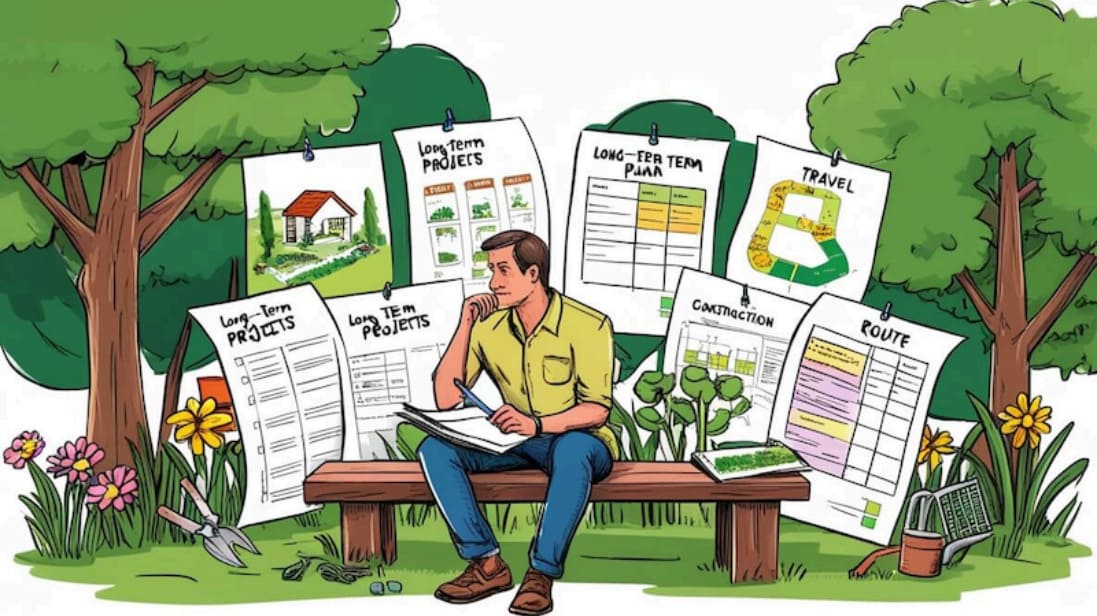
A large number of long-term projects
-
 4.24
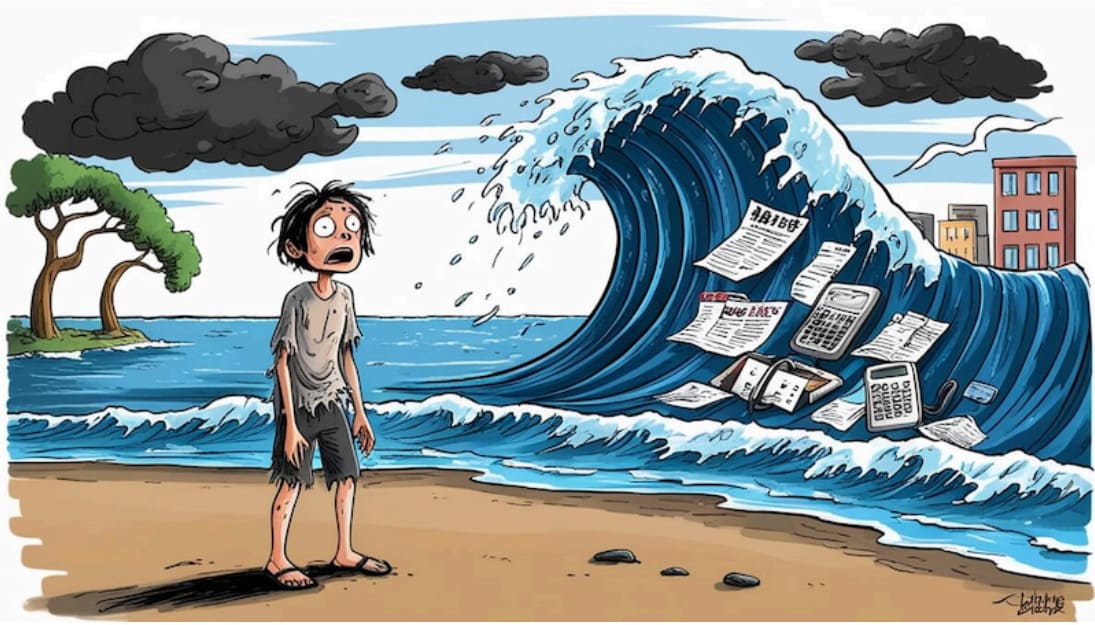
Underestimation of problems
-
 4.25
I'll do it all on vacation
- 5.0 Section 5. Neutral productivity factors
-
 5.1
Notifications in social networks and messengers
-
 5.2
Belief
-
 5.3
Music
-
 5.4
Two mornings in one day
-
 5.5
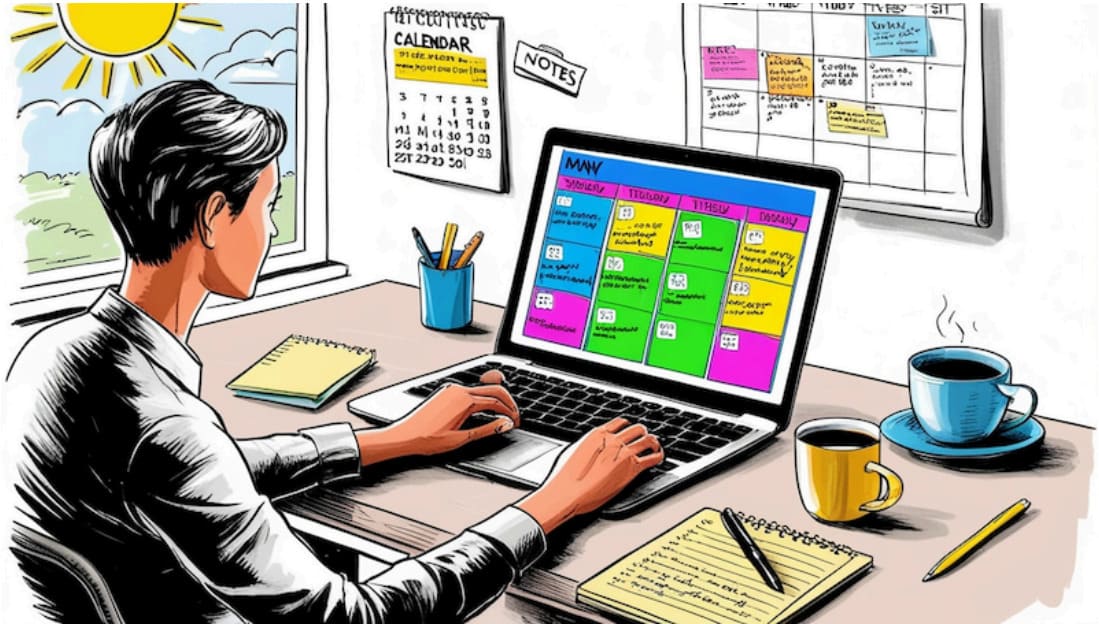
Calendars
-
 5.6
Hobbies
-
 5.7
Multitasking
- 6.0 Section 6. Other productivity factors
-
 6.1
Luck
-
 6.2
Defeats and Failures
-
 6.3
Talent
-
 6.4
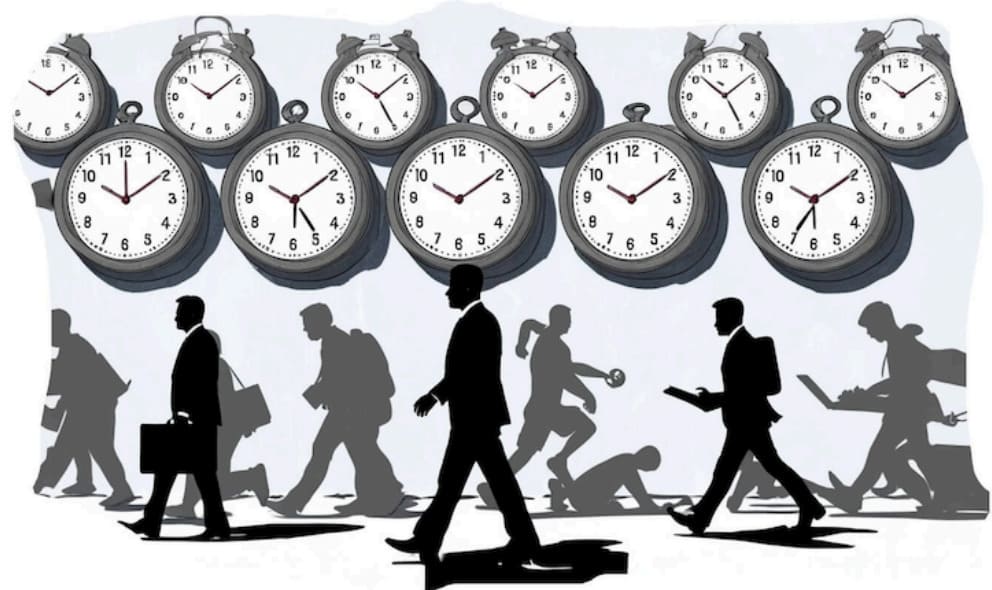
Routine
-
 6.5
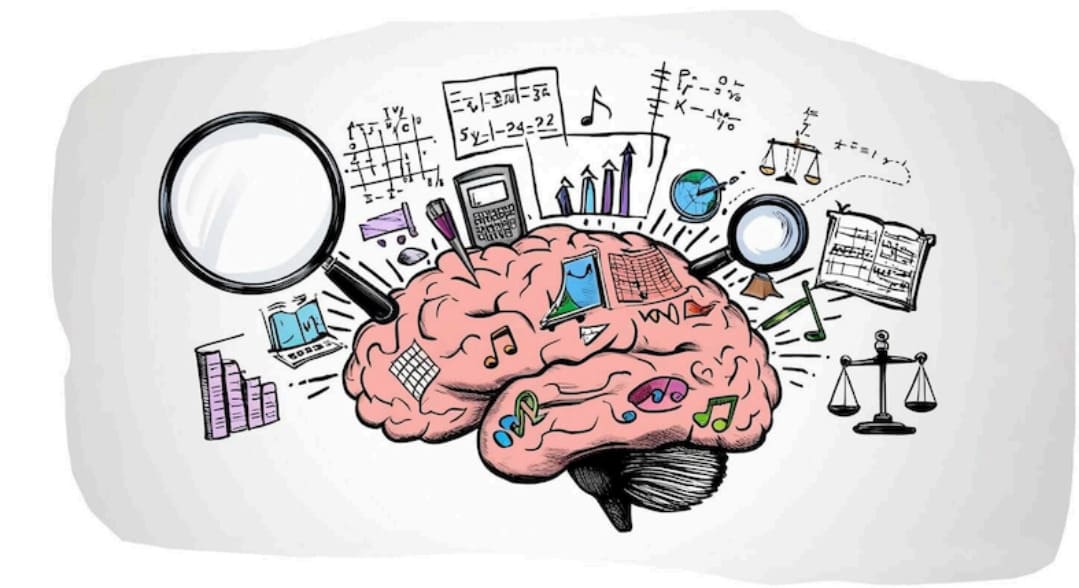
Thinking
-
 6.6
Intelligence
-
 6.7
Forecasts and Probabilistic Thinking, Bayesian Approach
-
 6.8
Motivation
- 7.0 Section 7. Additional sections
- 7.1 Book conclusions
- 7.2 What's next?
- 7.3 Books I recommend
Show contents Hide contents
- 1.0 Section 1. Introduction
- 1.1 What this book is about
- 1.2 What makes this book better than others?
- 1.3 How to read this book?
- 1.4 About the author
- 1.5 About the illustrations
- 1.6 Why do you need this?
- 1.7 Is it easy to live by planning?
- 2.0 Section 2. Let us talk about time
-
2.1
How much time do we have?
-
2.2
Time limitation
- 3.0 Section 3. Favorable productivity factors
-
3.1
The right environment
-
3.2
The right environment
-
3.3
Habits
-
3.4
Daily review of goals
-
3.5
Praise yourself
-
3.6
Visualisation
-
3.7
Public contract
-
3.8
Order in thoughts, at home and virtual
-
3.9
Backlog
-
3.10
Backups
-
3.11
Idleness Isn't So Bad
-
3.12
Goals by the SMART Method
-
3.13
Eisenhower Matrix
-
3.14
Money Solves Everything
-
3.15
Learn to Say "No"
-
3.16
Find an Assistant
-
3.17
Automation
-
3.18
Artificial Intelligence
-
3.19
Teamwork
-
3.20
Good Health
-
3.21
Permanent Work
-
3.22
Step Out of Your Comfort Zone and Openness to New Things
-
3.23
The Internet
-
3.24
Investments in Education
-
3.25
Circles of Interests
-
3.26
Deliberate Practice. Sincere Unfamiliar Practice
-
3.27
Pyramid of Goals
-
3.28
Understanding Regression to the Mean
-
3.29
Daily Routines of Great People
-
3.30
Multiple Plans
- 4.0 Section 4. Slowing productivity factors
-
4.1
Damage to the Brain's Striatum
-
4.2
Procrastination
-
4.3
Squandering and Impulsivity
-
4.4
Early Marriage and Family
-
4.5
Map of Goals and Things to Do
-
4.6
Fears
-
4.7
Pseudoscience
-
4.8
Prejudices
-
4.9
Life experience of older generations
-
4.10
Religion
-
4.11
Superstitions
-
4.12
Cognitive bias and intuition
-
4.13
Time fragmentation
-
4.14
Feeling of anxiety
-
4.15
Making wishes on New Year's Eve
-
4.16
Perfectionism
-
4.17
Radio
-
4.18
Goals from childhood
-
4.19
Remaking yourself and early rising
-
4.20
Fatigue
-
4.21
Household tasks
-
4.22
Laziness disguised as being very busy
-
4.23
A large number of long-term projects
-
4.24
Underestimation of problems
-
4.25
I'll do it all on vacation
- 5.0 Section 5. Neutral productivity factors
-
5.1
Notifications in social networks and messengers
-
5.2
Belief
-
5.3
Music
-
5.4
Two mornings in one day
-
5.5
Calendars
-
5.6
Hobbies
-
5.7
Multitasking
- 6.0 Section 6. Other productivity factors
-
6.1
Luck
-
6.2
Defeats and Failures
-
6.3
Talent
-
6.4
Routine
-
6.5
Thinking
-
6.6
Intelligence
-
6.7
Forecasts and Probabilistic Thinking, Bayesian Approach
-
6.8
Motivation
- 7.0 Section 7. Additional sections
- 7.1 Book conclusions
- 7.2 What's next?
- 7.3 Books I recommend
