
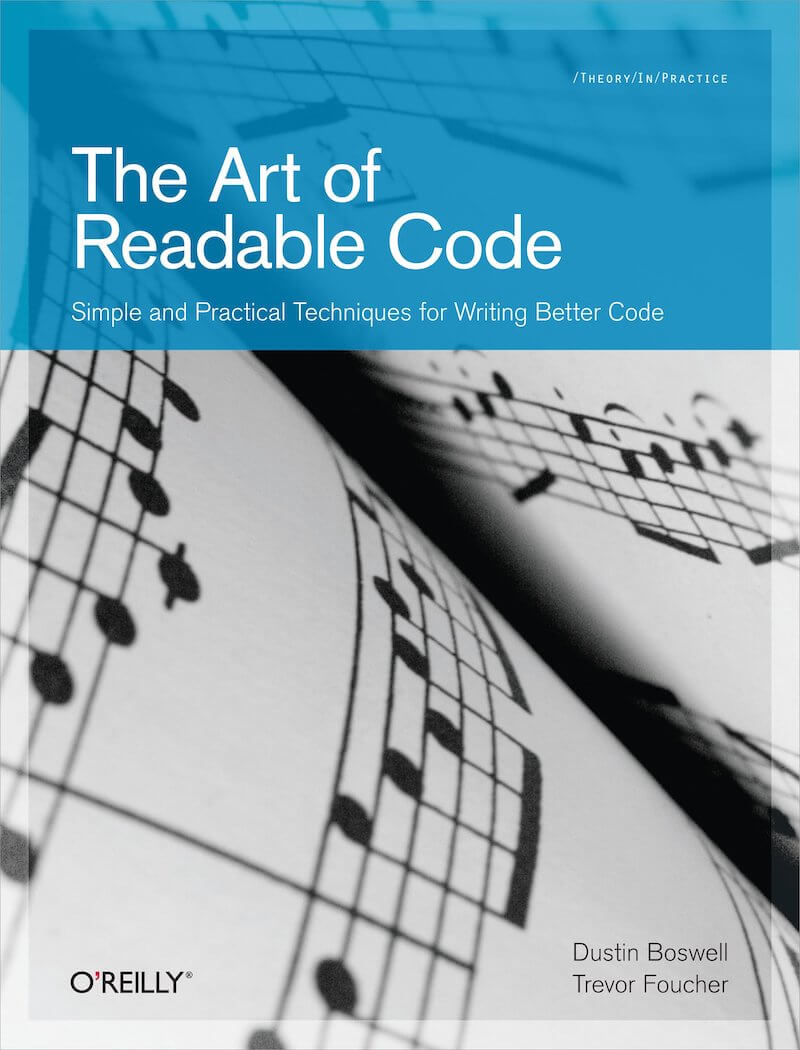
General Description
The book "Readable Code" is dedicated to the art of writing code that is easy to understand, maintain, and evolve. The authors' main idea is that working code is only part of a developer's task. It is equally important for the code to be readable for other people, including colleagues and one's future self. Code transparency and clarity reduce debugging time, decrease the number of errors, and make projects more resilient to changes.
The authors divide the process of writing readable code into practical recommendations and principles. Key aspects include clear names for variables and functions, logical code structure, proper formatting, and minimizing redundancy. They emphasize that code should tell a story: anyone reading it should quickly understand what is happening and why. The book provides concrete examples of bad and good code, allowing one to see the differences in practice.
Special attention is given to code style and organization. The authors advise writing small functions, adhering to consistent formatting conventions, and using comments only where they are truly needed, explaining the "why" rather than the "what" the code does. Approaches to refactoring, testing, and error handling that make code robust and predictable are also discussed.
The book is aimed at programmers of all levels but is especially useful for those who want to improve their team development skills. It demonstrates that programming is not only about technique and algorithms but also about communication with other developers through code. The authors emphasize that readable code is an art: neatness, attention to detail, and consideration for the future reader of the code make it truly professional.
Overall, "Readable Code" doesn't just teach how to write programs but cultivates a culture of clean and understandable code. The book motivates thinking about other developers and the future of the project, turning ordinary programming into a discipline where not only functionality is important but also aesthetics, clarity, and resilience to change.
Opinion
Another book with practical recommendations on writing code: how to comment code, avoid ambiguity in variable and function names, and apply other useful tips.
