
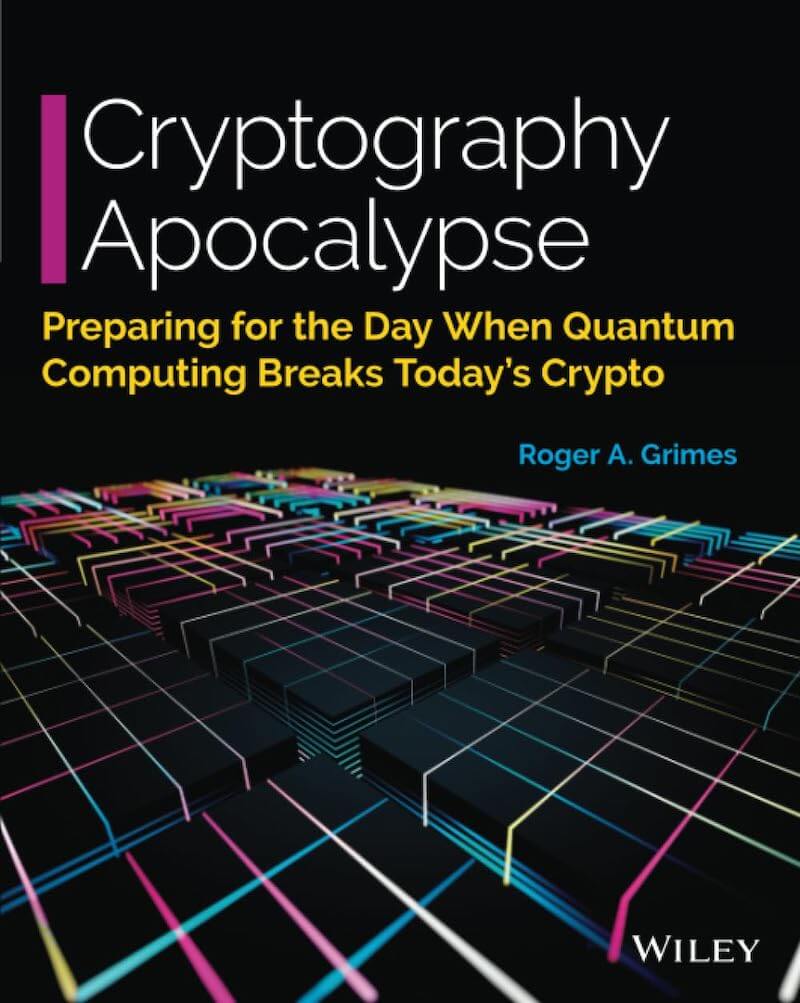
General Description
The book is almost 300 pages long. It consists of two parts that together contain nine chapters. It’s a purely text‑based book that only sporadically includes image inserts. It’s easy to read, even if you’re not familiar with quantum technology.
Brief Description
Part I – A Textbook on Quantum Computing
Chapter 1. Introduction to Quantum Mechanics.
The author explains the fundamental principles of quantum physics that underlie quantum computing – superposition, entanglement, and measurement.
Chapter 2. Introduction to Quantum Computers.
This chapter explains how the principles of quantum mechanics are instantiated in real computational devices. It covers qubits, quantum logic gates and more.
Chapter 3. How Quantum Computing Could Break Existing Crypto‑Codes?
The author analyses why modern cryptosystems (RSA, ECC, etc.) are vulnerable to quantum algorithms. Gramms explains how a quantum computer may, in the future, undermine the conventional data‑protection methods that undergird banking systems and cryptocurrencies.
Chapter 4. When Will the Crypto‑Breakthrough Occur?
This section discusses forecasts and the realistic pace of quantum‑tech development. The author debates how long it might take before machines appear that can break existing cryptosystems.
Chapter 5. What Will the Post‑Quantum World Look Like?
Gramms muses about the future after the quantum‑era dawns. He describes how data security, the economy and digital currencies will change, as well as the new opportunities and threats that will arise for society.
Part II – Preparing for the Quantum Blow‑out
Chapter 6. Quantum‑Resistant Cryptography.
The author introduces the principles of cryptosystems that can withstand quantum attacks. Various algorithms are discussed, as well as the efforts to standardise them by leading organisations worldwide.
Chapter 7. Quantum Cryptography.
This section explains how one can use quantum physics itself to create absolutely secure communication channels. Gramms describes the distribution of quantum keys (QKD), its advantages, and the technical hurdles involved.
Chapter 8. Quantum Networks.
The author sketches the future of the Internet in the quantum age – from early quantum‑network prototypes to ideas of a “quantum internet.” Architecture, data‑transfer principles and potential applications for finance, science and security are examined.
Chapter 9. Preparing Right Now.
The concluding chapter is practical: Gramms explains how organisations and private individuals can start preparing for the post‑quantum era today. He emphasises the importance of migrating to new algorithms, refreshing infrastructure, and staying informed about quantum‑security risks.
Opinion
A very good book on quantum computers. Although it lacks hands‑on programming on any specific language, all the theory presented is described in a clear and accessible manner. The introductory portion also serves as a gentle introduction to qubits and the basic principles of physics.
