
General Description
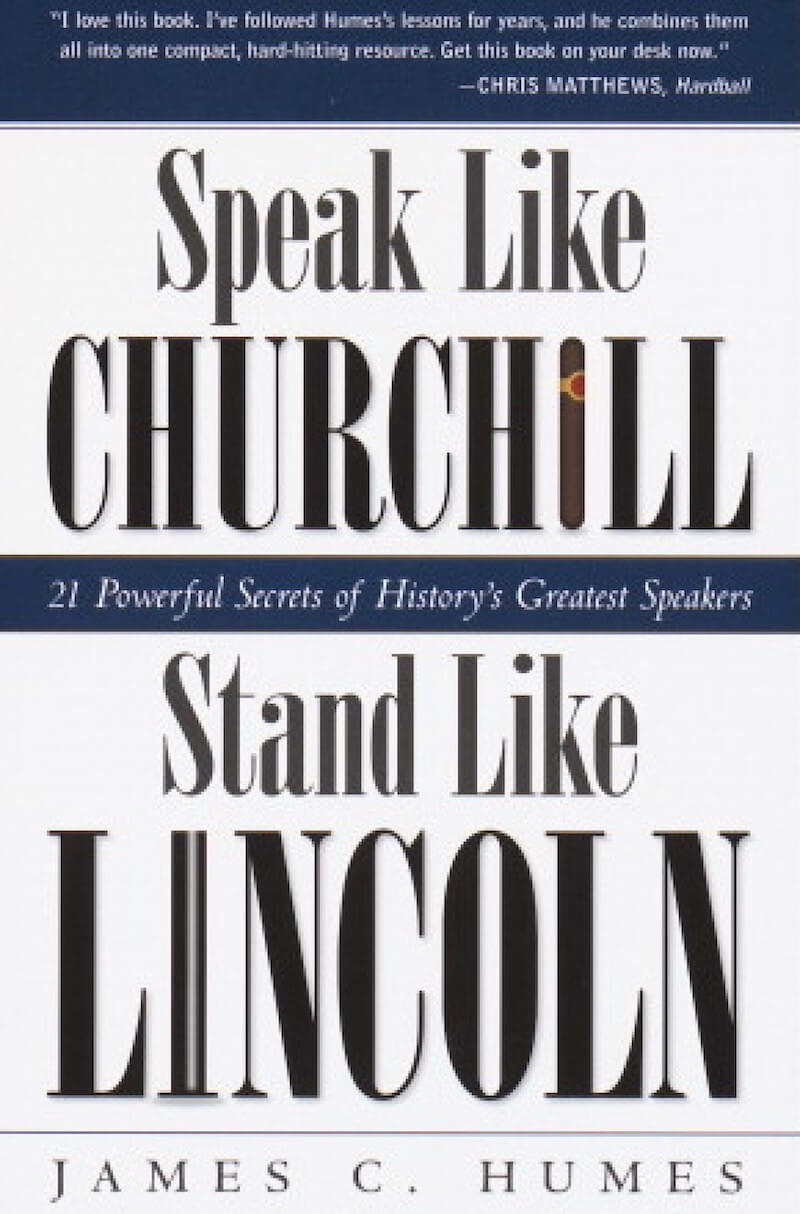
The book is almost 300 pages long. No images, purely text. It's easy and quick to read. An audio version is available.
Brief Overview
Chapter 1. The Power of the Word
Great orators understood: words shape reality and control people's actions. Speech is an instrument of power, not a decoration of thought.
Chapter 2. Brevity is the Soul of Persuasion
Churchill won not with the length of his speeches, but with their precision. The fewer the words — the more weight each one carries.
Chapter 3. Simplicity is Stronger than Intellect
Lincoln spoke so that both a farmer and a professor could understand him. A great speech is always simpler than it seems smart.
Chapter 4. Preparation Decides Everything
Improvisation is a well-prepared speech. The best orators rehearsed more than they spoke.
Chapter 5. Stories Instead of Arguments
People believe not in logic, but in images. A story is remembered where facts are forgotten.
Chapter 6. Emotion is More Important than Information
An orator must ignite a feeling, not transmit data. If the listener's heart is not touched — the mind will not open.
Chapter 7. Pauses Speak Louder than Words
Silence amplifies thought. A pause is the punctuation of oral speech.
Chapter 8. The Audience is the Co-author of the Speech
Great orators sense the room and change along with it. A speech is a dialogue, even if only one person is speaking.
Chapter 9. Confidence is Born from Conviction
You cannot convince others without believing yourself. The true power of speech lies in the moral clarity of the speaker.
Chapter 10. Speech as an Act
Great speeches changed the course of history because actions followed words. Words mean exactly as much as you are willing to pay for them.
In different editions and reprints, the number of chapters may vary.
Opinion
Definitely a good book that tells about what and how different leaders of their people spoke in the most difficult times. What kind of speech they chose to unite and rally people, and simply to make an impression as leaders. The introductory speech, pauses, glances, jokes, clothing, and even accessories — all of this holds great meaning.
