
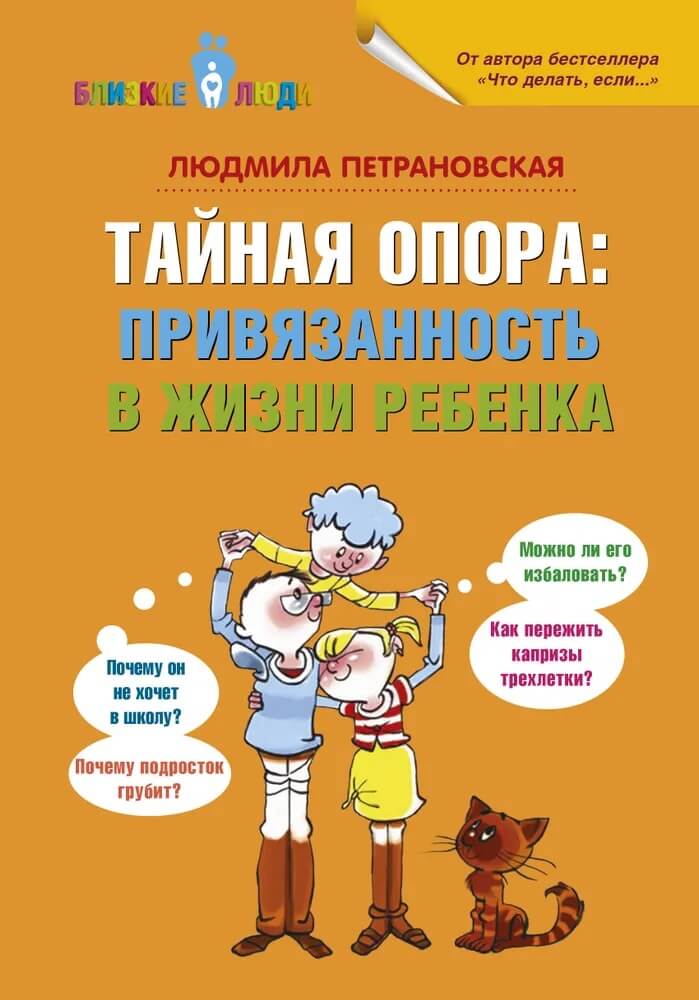
Overview
A compact book just over 215 pages long, with an audio version available. It reads quickly and easily, mostly in text, though there are a few images accompanying each section.
Brief Review
The book is broken into eight chapters. Each section focuses on a particular age group of a child. Rather than go into detail on each chapter, here’s a list that captures their essence.
- Introduction
- Chapter 1. From birth to one. An invitation to life
- Chapter 2. The one‑year crisis. The self and everyone else
- Chapter 3. From one to three. Conquering the world
- Chapter 4. The three‑year crisis. No, I don’t want it, and I won’t
- Chapter 5. From four to seven. A tender age
- Chapter 6. The six‑to‑seven crisis. Together forever
- Chapter 7. From seven to twelve. On the way to the big world
- Chapter 8. From twelve to fifteen. Teenager: a leap over the abyss
- The last chapter. After childhood
Opinion
For me, one of the book’s strengths is its readability and the fact that there’s an audio version. Regarding its core message, it was informative at times, especially if you have little idea of what a child learns and how they develop at each age. I also noticed that the material is occasionally supplemented with external examples or medical facts (which I didn’t verify but trust the author). Like many other authors who pepper their work with citations and references, I can say that when someone cites studies, books, and examples rather than merely stating opinion, it’s likely that the author is an expert in the field instead of just venting personal views.
As for the oddities or shortcomings, why does every second chapter contain the word “crisis”? Each chapter does cover its own parents‑raising nuances, but hardly does any of them amount to a real crisis. Occasionally I came across thoughts with which I didn’t fully agree. I didn’t take notes because there wasn’t truly groundbreaking “found‑information” worth re‑reading, although that might also be because the book is written so plainly and clearly that everything was absorbed in one go.
