
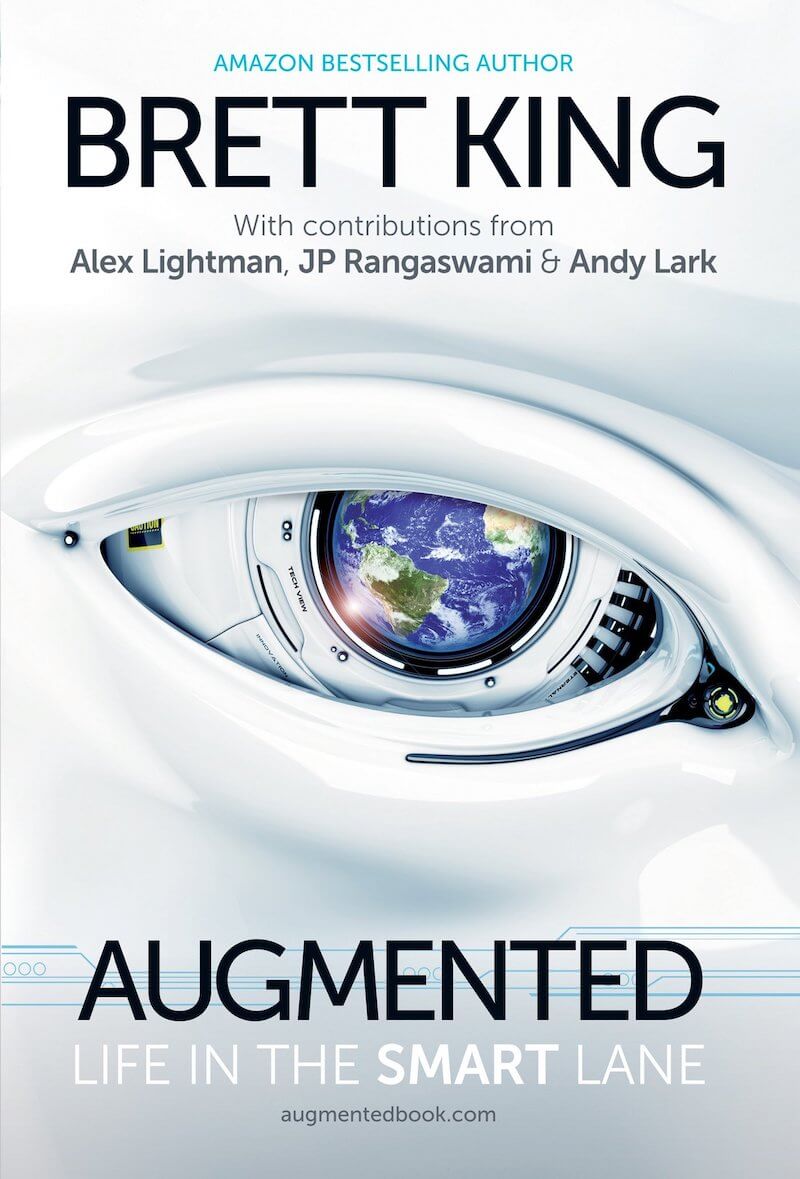
Genres: Information Technology (IT), Popular Science Literature, The Future of Humanity, Augmented Reality
Year of publication: 2018
Year of reading: 2022
Good
Number of reads: 1
Total pages: 526
Summary (pages): 24
Original language of publication:
English
Translations to other languages: Russian
Overview
Book over 500 pages long, divided into 3 parts comprising 12 chapters. In addition to the text, the book frequently contains numerous images, including charts and diagrams. The book is quite easy and quick to read. At the time of reading, I could not find an audio version of the book, so I had to read the text.
Brief Review
Part 1. The 250‑Year Burst
- Chapter 1. The History of Technological Breakthroughs. The author describes how industrial revolutions sequentially altered society, accelerating progress and creating new economic models. We live in an era where the speed of change has become the main norm, and technological leaps shape everyday life.
- Chapter 2. The Era of Augmented Reality. Augmented reality becomes the key technology, expanding human capabilities and creating a new space for interaction between humans and the digital world. King shows how AR will pervade education, medicine, finance, and household processes.
- Chapter 3. When Computers Disappear. The author speaks of a future where computers cease to be separate devices—they will dissolve into the environment. We will interact with technology naturally, and interfaces will become invisible.
- Chapter 4. Advantages of Robots. Robots and automation become the logical step in technological development. King highlights that robots will increase productivity, eliminate routine, and become part of everyday life, even as they spur social challenges.
Part 2. A Self‑Learning Smart World
- Chapter 5. Human 2.0. The merger of biology and technology: wearables, implants, and genomic changes make humans more efficient. King predicts the emergence of a new version of humanity—technologically upgraded.
- Chapter 6. Augmented Human. Augmented reality, artificial intelligence, and sensor networks enhance human capabilities. People will be able to make better decisions, monitor health, and interact with the surrounding world.
- Chapter 7. “Flow of Life”: Agents, Avatars, and Consultants. AI agents will become our constant helpers, responsible for planning, finance, health, and communication. They will act proactively, anticipating our needs and easing everyday tasks.
Part 3. The Era of Augmented Reality
- Chapter 8. Trains, Planes, Cars, Homes. Transportation and homes will become smart spaces that adapt to people. AR and IoT will create comfortable, autonomous, and safe environments that adjust to people's lifestyles.
- Chapter 9. Smart Banks, Payments, and Money. Financial technologies are undergoing a revolution: digital currencies, biometrics, and artificial intelligence are changing the banking system. The future is personalized financial solutions and seamless payments.
- Chapter 10. Trust and Privacy in an Augmented World. King raises the issue of privacy, which becomes critical in an era of big data and constant surveillance. To maintain trust, society will need new legal and technological protective mechanisms.
- Chapter 11. Smart Cities for Smart Citizens. Future cities are ecosystems where transport, energy, security, and city services are governed by data and AI. These cities will make life more convenient, greener, and more efficient.
- Chapter 12. The New Era of Participation. Technology creates the foundation for a new form of social interconnection—digital participation. People will be able to interact better, create global communities, and engage in society's life regardless of geography.
Opinion
Book that is purely theoretical about how our civilization has developed over recent centuries in terms of technology (not only informational) and what the nearest development forecasts are. But unlike other similar books, it is reinforced with interesting charts and diagrams. Some material I plan to use for one of my future articles.
