
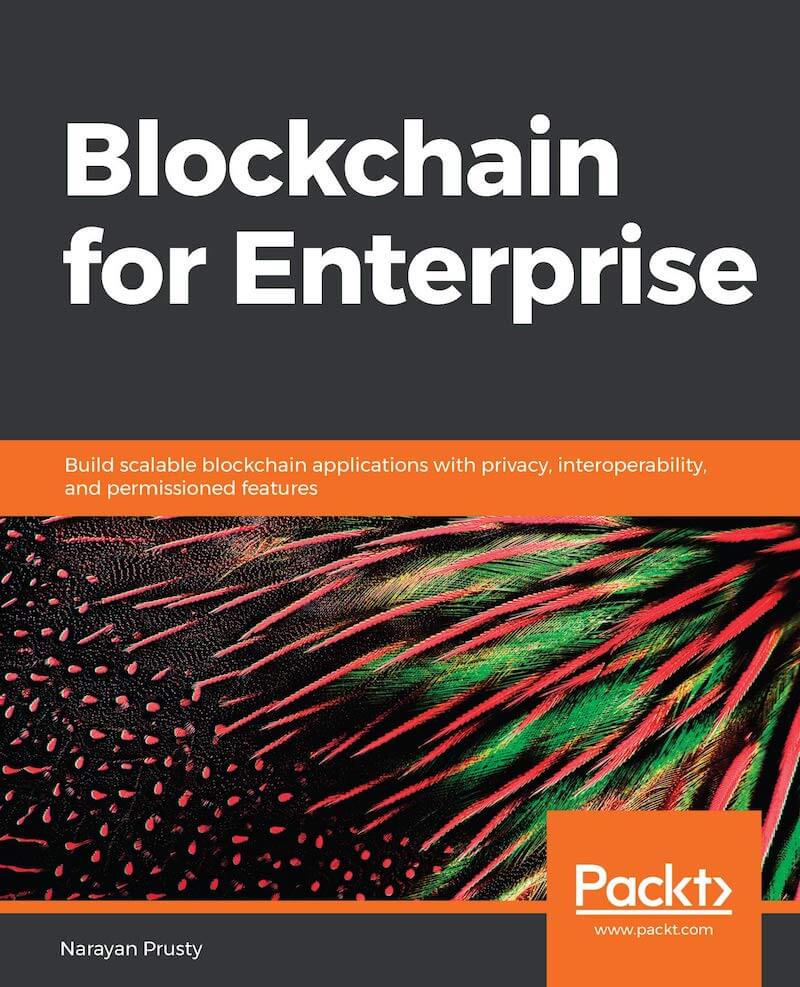
Genres: Programming
Year of publication: 2018
Year of reading: 2022
Good
Number of reads: 1
Total pages: 252
Summary (pages): 17
Original language of publication:
English
Translations to other languages: Russian
General Description
The 250-page book consists of 9 chapters. In addition to textual material, it contains numerous illustrations and code snippets. The difficulty level is medium or slightly above medium (requires a solid programming foundation).
Brief Overview
- Chapter 1. Decentralized Applications. Introduces the concept of DApps and explains how blockchain architecture enables the creation of applications without a central server, ensuring data transparency and immutability.
- Chapter 2. Principles of Ethereum. Covers the fundamentals of the Ethereum ecosystem: the virtual machine (EVM), the concept of gas for payment of computations, transaction structure, and the functioning of accounts.
- Chapter 3. Smart Contract Development. This chapter is dedicated to the Solidity language syntax and the process of writing self-executing code that manages logic and assets within the blockchain.
- Chapter 4. Learning to Work with web3.js. Describes the use of the JavaScript library for interaction between the frontend and Ethereum nodes, allowing web applications to read data from the blockchain and send transactions.
- Chapter 5. Wallet Service Development. A practical example of creating an interface for managing keys, checking balances, and transferring ether (ETH) between users.
- Chapter 6. Smart Contract Platform Development. Demonstrates the creation of a system that allows users to deploy their own contracts and interact with them through a simplified interface.
- Chapter 7. Match Betting Application. Explores the complex logic of decentralized betting, where the conditions for distributing winnings are rigidly fixed in the code and independent of intermediaries.
- Chapter 8. Enterprise-Level Smart Contract Development. Discusses security issues, gas cost optimization, and design patterns necessary for creating reliable and scalable business solutions.
- Chapter 9. Consortium Blockchain Development. This chapter introduces the creation of private networks where data access is restricted, which is critically important for the corporate sector and the protection of commercial secrets.
Opinion
This is another high-quality practical guide, this time on working with blockchain. The main focus is on the Ethereum ecosystem, writing smart contracts, and related topics. All accompanying code is predominantly written in JavaScript.
