
Recently, my wife and I visited Bali, so while the memories are still fresh, it’s the perfect time to write an article about our experiences and share all our impressions.
Information for Reference
Bali is one of the many islands belonging to Indonesia. It is located in the Southern Hemisphere, very close to the Equator, and also relatively close to Australia.
The area of Bali is 5,780 km², while the total area of Indonesia is 1,905,000 km². The population of Bali is about 4.5 million people, whereas the entire population of Indonesia is approximately 261 million people. Indonesia is the fourth most populous country in the world, following India, China, and the United States.
Landscape, Terrain, and Attractions
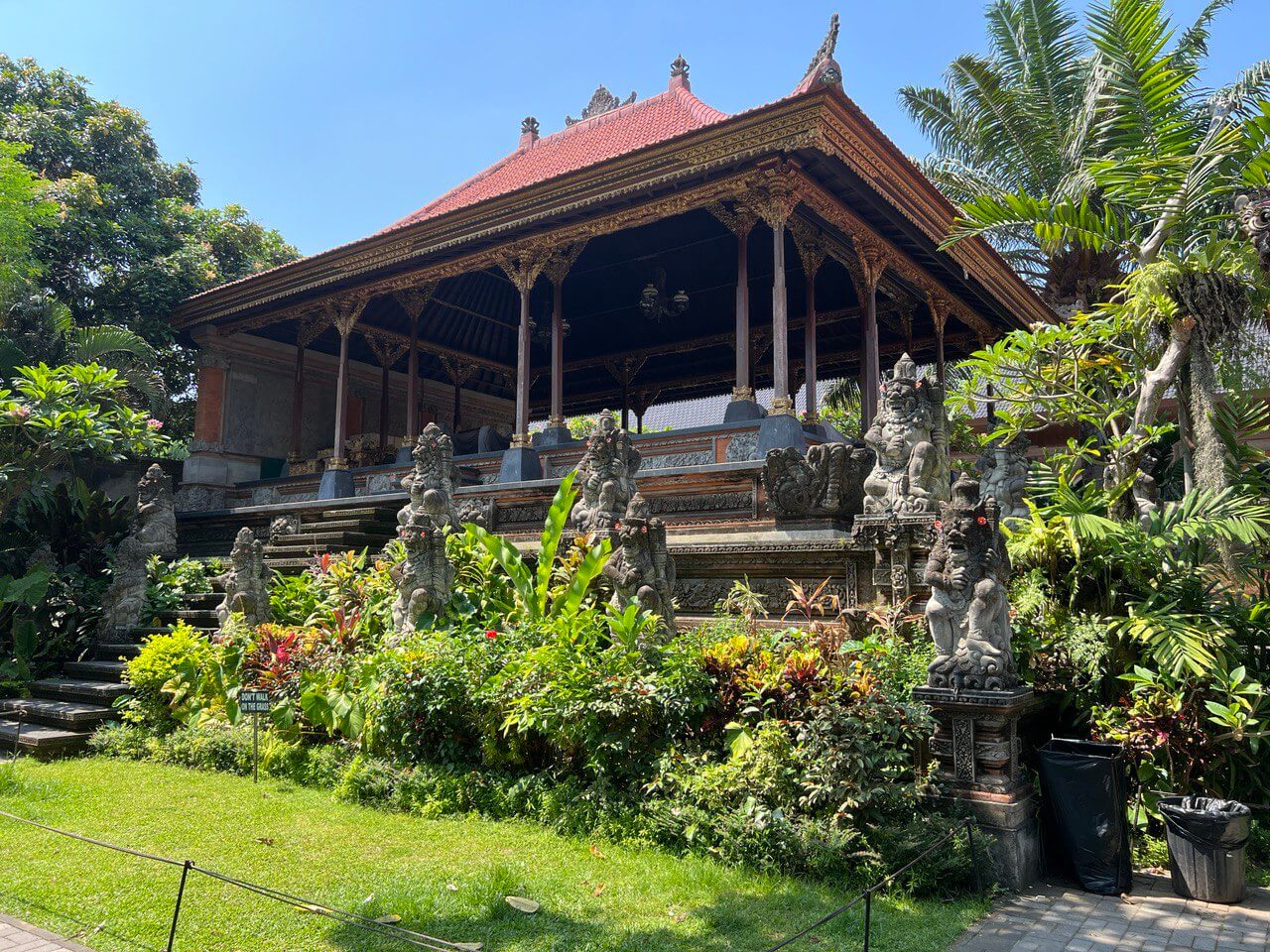
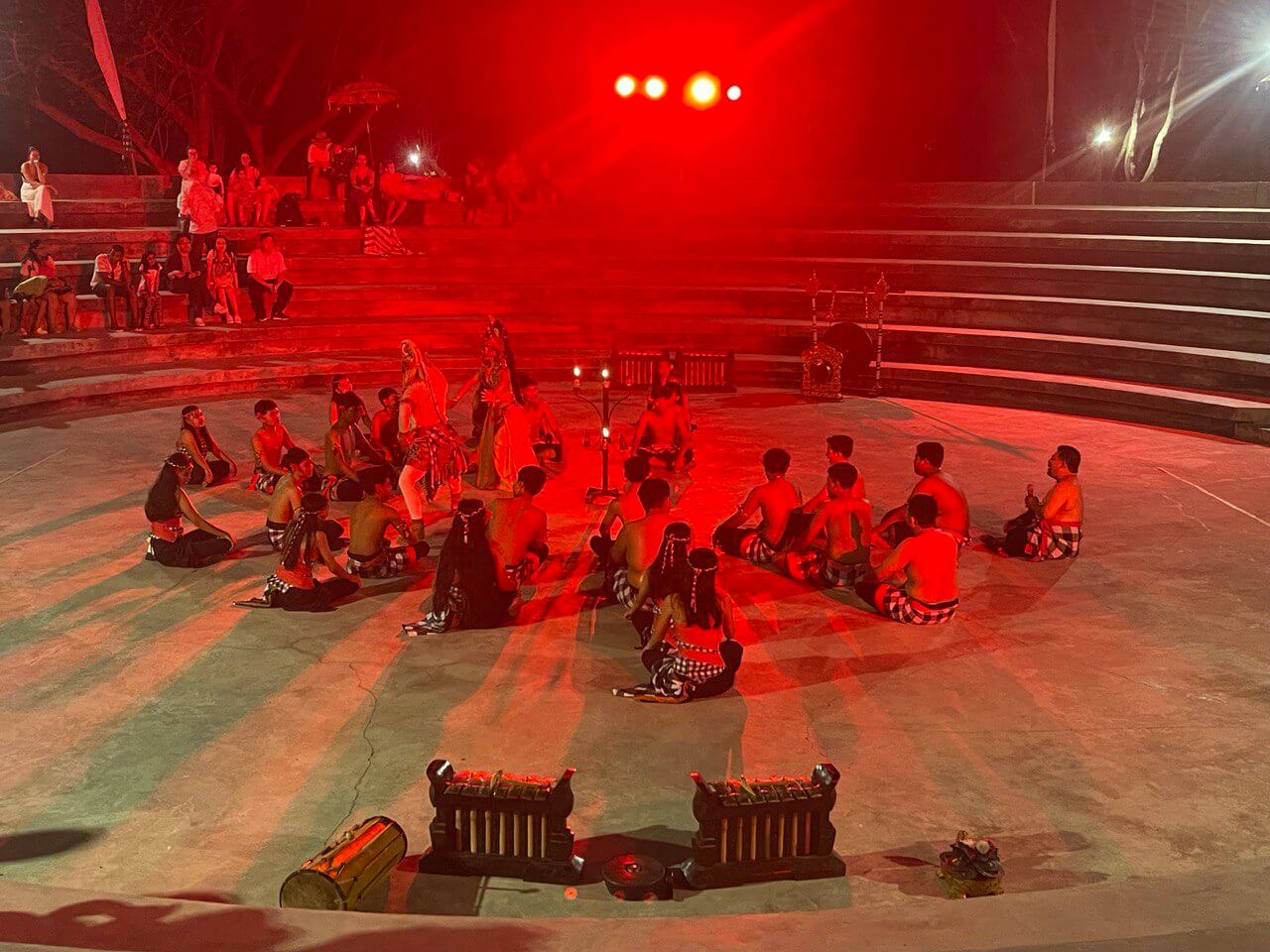
Despite being far from the largest island, Bali has plenty to offer. First and foremost, the first thing that catches the eye is the religious statues and monuments that are found at every turn, especially in Ubud. Regardless of the city or location, people hold their religion dear, and every day you can see offerings made to their gods. In addition to the religious statues and monuments, there are also many picturesque temples. Some of these are open to tourists, while others are not.
Despite the arid land and dry climate, Bali is rich in vegetation. There is an abundance of broadleaf trees and tall plants. The island is home to volcanoes and mountains, making for a beautiful landscape. Beyond this, there are caves, waterfalls, rice terraces, and other natural wonders that we unfortunately did not get to explore. Surrounding the island is the ocean, or more precisely, two oceans. Bali is perfect for surfing, but I found it not to be the best place for swimming, which I will elaborate on below.
Of course, Bali, like Indonesia as a whole, cannot be considered a developed country in terms of infrastructure and other technological aspects. However, this island is actively making efforts to attract more tourists and strives to meet the expectations of Europeans, Americans, and especially Australians, who are quite numerous due to Bali's proximity to Australia. Often, this contrast is very striking. You can see a brand-new five-star hotel, and just across the street, a dump of garbage or a dilapidated fence made of corrugated metal or sticks that has been around for over twenty years. Speaking of garbage, there is a lot of it in Bali. I am not inclined to believe that only tourists are responsible for the litter, as I have repeatedly seen trash from the car in areas where no tourists venture.
Beaches
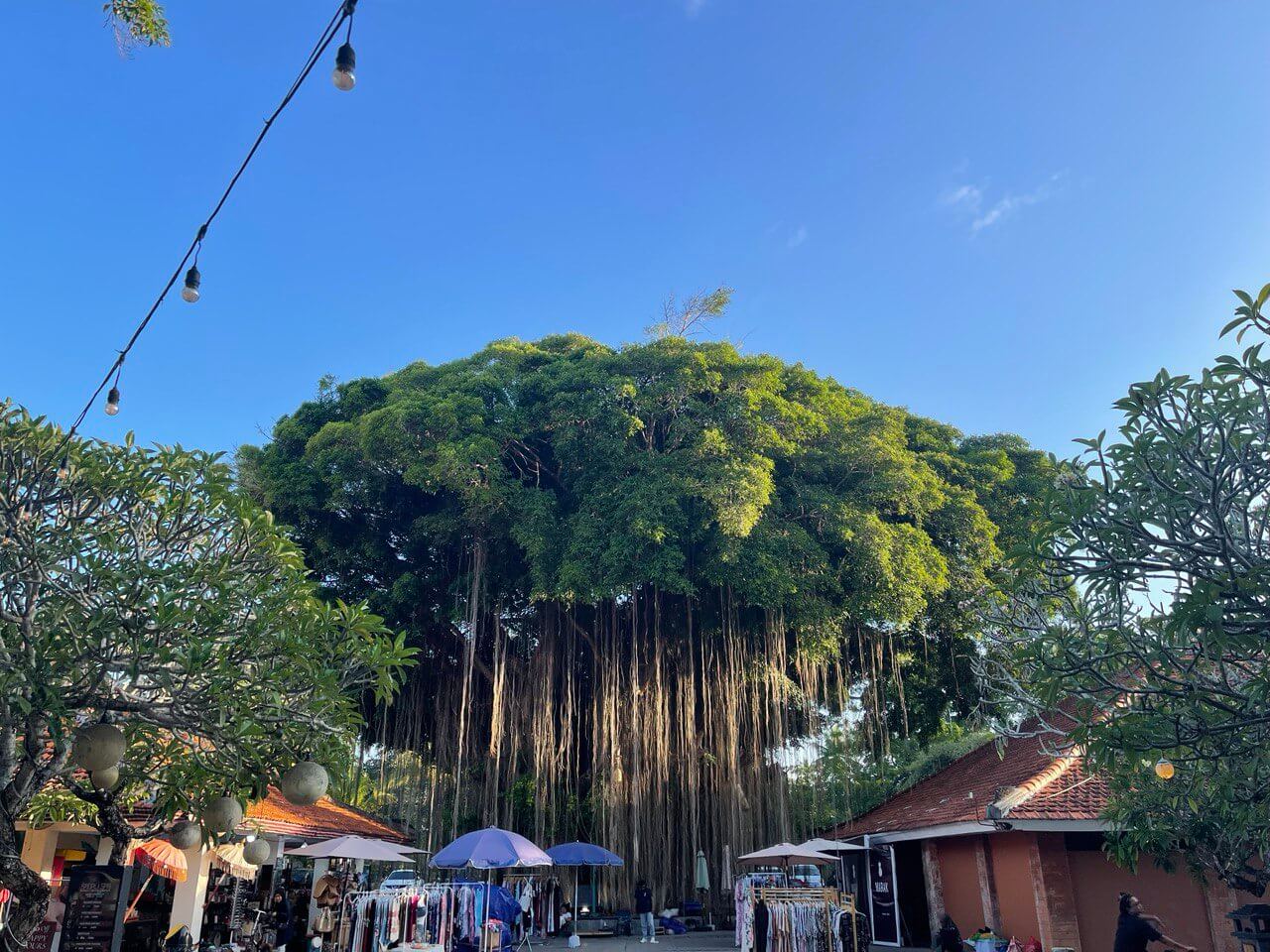
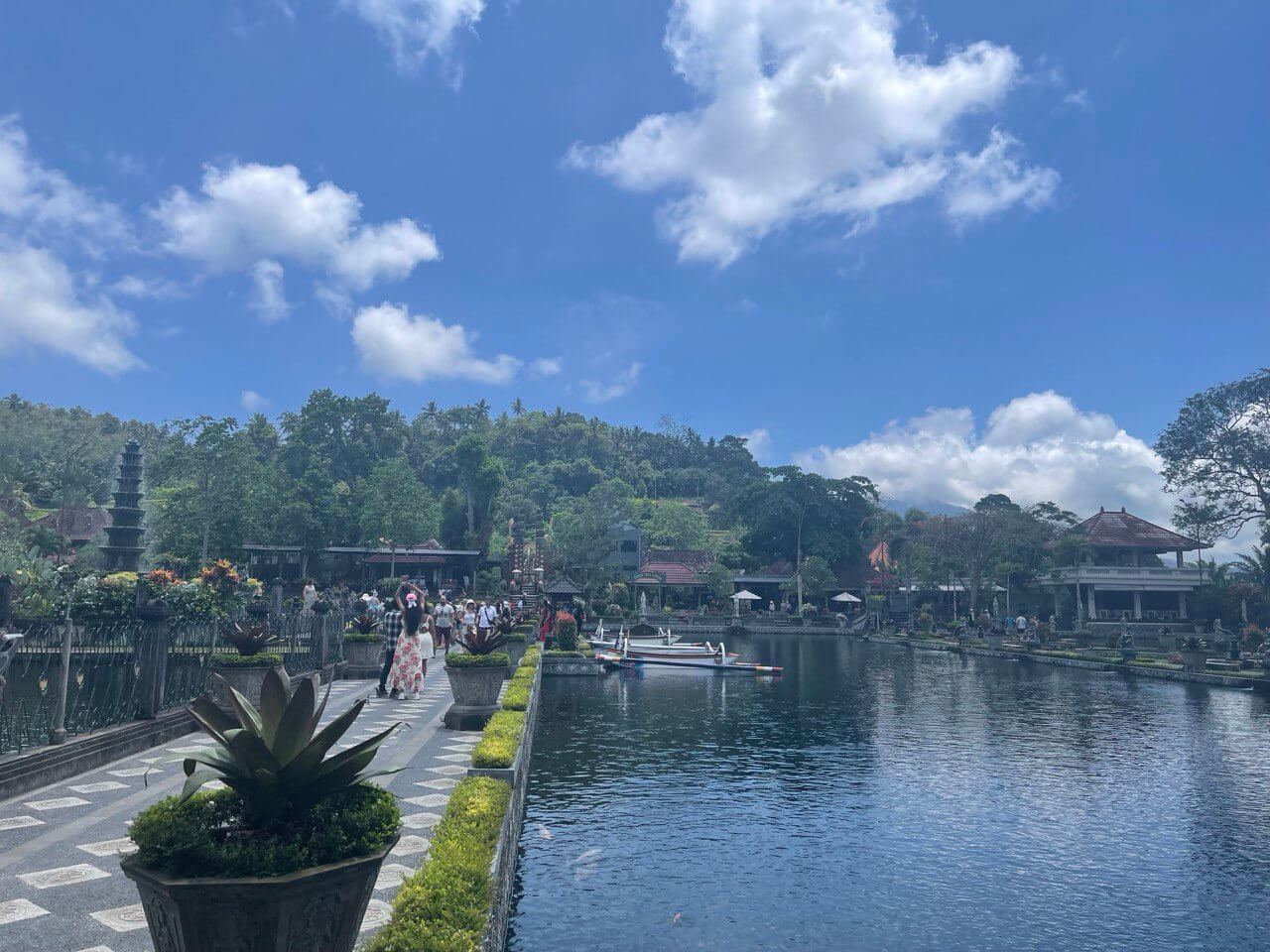
Despite Bali being abundant in attractions and culture, I was not particularly impressed with the beaches of this island for a variety of reasons. Of course, we did not visit all the beaches, but even after Googling the top beaches in Bali, I found that Geger is considered one of the leading and most recommended beaches. If Geger is regarded as one of the best in Bali, I hesitate to ask what the situation is like at those that do not make the top list. So, what is wrong with Bali's beaches?
First of all, there are a lot of dogs. They are everywhere. Generally, I have nothing against dogs, especially since they are completely harmless and not aggressive. They tend to gather where there is food, and there are plenty of cafes on the beach that indulge the local dogs. It is mostly the café owners who feed them rather than the beachgoers, as dogs consistently have bowls of water and food near the cafés. Of course, this leftover food has to go somewhere, and it often ends up right on the sand on the beach. Frequently, they relieve themselves right in front of the sun loungers, not straying far from the water. Naturally, all of this is cleaned up, but not as promptly as one would hope.
The second issue is the presence of muck on the bottom. If there is none within the first 10-15 meters from the shore, it is everywhere further out. Swimming more than 20-30 meters seems almost unrealistic. But the muck is only half the problem because, thirdly, during low tides, the beaches are very shallow. Not only is there some grass 20 meters from the shore, but all of those 20 meters during low tide are knee-deep, making swimming problematic.
Fourthly, not only is there little space for swimming, but there are also parked boats. There are not many, usually from 8 to 12, but they are present. It’s not so much the boats themselves that hinder swimming, but rather their anchors and ropes. Finally, fifthly, the strangest thing I have witnessed a couple of times in Bali is funerals. They take place on the beach. No, it’s not the funerals themselves as such; it is generally not customary to bury the body in the ground there. Most often, people are cremated, and the ashes are scattered in the water during a special ceremony accompanied by their music and a whole group of people. After some rituals on the beach, which take about 10-15 minutes, the group "performing the funeral" takes a boat and heads 100-200 meters offshore to continue the ritual and leave the ashes. During this ritual, many flowers and fruits are placed in the water (although it is very difficult to see what exactly happens on the boat in the water). As a result, something floats on the water, which could very well wash up on the shore where people are swimming.
Air Temperature
Bali is located almost on the equator and is known for its high humidity. In principle, T-shirts, swimwear, and towels dry quite well in the sun, but due to the fact that many hotels prohibit hanging clothes on the balconies, drying them can be quite problematic. Throughout our stay, the air temperature remained consistently around 30 degrees Celsius. This was in October. In other months, the temperature may vary (especially during the rainy season), but during our time there, the daytime temperature ranged from 29 to 31 degrees Celsius.
Roads, Transportation, Driving, Police, Pedestrians
During my travels in various places, I observed different driving styles and road conditions. Overall, the roads in Bali are not the worst, as there is no winter, they are not salted, and they remain in good condition for a long time. Additionally, they have not melted from the heat.
The primary modes of transportation there are scooters, mopeds, and motorcycles. Cars are certainly present, and there are many of them, but I would say they make up no more than 30-40 percent of the total number of two-wheeled vehicles. Both cars and scooters are generally in very good condition and quite new. I was quite surprised when I saw a person standing at the entrance of our hotel who arrived from lunch in a brand-new Hyundai from recent years.
In Bali, traffic drives on the left side of the road, which means that all cars are right-hand drive. This is the complete opposite of our traffic. It is similar to Cyprus, where I had been before. The traffic is quite dense, but not so much that Bali is mired in huge traffic jams. Throughout our stay on the island, we traveled both in transport arranged by the tour operator with a driver and by taxi. During this time, we did not witness a single accident. Accident maps also showed very few incidents. However, the driving style there is still not familiar to Europeans. Of course, it is far from the chaos I observed on the roads of Azerbaijan, particularly in Baku, but it is also difficult to call it exemplary. There is a lot of traffic, overtaking happens often without signaling, and motorcyclists are ready to overtake from both sides, so one must be vigilant.
During our travels, we encountered the police only a few times. In most cases, the police were actually staff from large hotels and tourist complexes who helped vehicles enter and exit these sites, occasionally stopping the main flow of cars. Apparently, they have the authority to do this, or perhaps the driving culture there is based on trust and respect.
If the infrastructure for drivers is not the worst, especially considering that Indonesia and Bali in general are not developed countries, the same cannot be said for pedestrians. There is virtually no pedestrian infrastructure at all. First of all, there are hardly any pedestrian crossings. And where they do exist, vehicles do not yield and speed by. The most common way to cross the road is to simply run across at the desired spot, waiting for a gap when there are no cars coming from either side. Sometimes, one has to wait for up to 5 minutes.
Accommodation and Hotels
During our stay on the island, we visited two hotels and encountered many others along the way. The overwhelming majority of them are designed in a familiar European style and comfort, so there was no discomfort. However, the first hotel we stayed at in Ubud was quite unique and clearly stood out from the usual hotels. This was manifested in the fact that the bathroom opened directly to the street. There was essentially no wall, and a huge fence served as the barrier. Considering that this was a secluded area and our room was more of a VIP room, there was no discomfort. On the other hand, various spiders, cockroaches, and lizards could easily enter. By the way, there were plenty of lizards there. Nevertheless, for most visitors to the island who decide to stay in Bali, there will easily be a comfortable room of European standard available.
Taxis
For getting around the island, if you do not rent a vehicle, the only practical way to travel is by using taxis. Taxi fares are not too high, so they are a viable option. There are various apps available for taxi services, such as BlueBird. Although the prices on this app tend to be slightly above average, you can also use Gojek. Interestingly, you can order not only a car but also a scooter as a taxi, which can be even cheaper.
Money, Currency, and Prices
You can pay by card almost everywhere, except perhaps at some local markets. However, the local currency is quite handy, and we also used it actively. When using the currency, the main thing is not to get confused by the number of zeros, as they use thousands and millions, similar to Belarus 15 years ago. One hundred dollars in Indonesia amounts to about one and a half million rupiah. A meal for two will cost you between 100,000 to 400,000 rupiah. A taxi ride ranges from 30,000 to 150,000 rupiah.
Food
During our stay, breakfast was included in our hotel accommodations. We had to hunt for the other meals ourselves. Breakfasts were quite similar in all hotels. The main side dishes were rice or noodles, with fried corn or asparagus available as well. Eggs and omelets were also prepared. The selection of vegetables was not very extensive, both in hotels and restaurants. Most often, vegetables were simply served as garnishes, such as lettuce leaves or a slice of tomato or cucumber. However, there was a wide variety of fruits, all ripe and delicious. The selection of juices was equally large. The fruits were very sweet and ripe. My favorite juice on the island was apple juice, which was not sour at all, unlike our apple juices.
In terms of meat, hotels mostly offered sausages, which were either beef or chicken. Similar meat dishes could be found on the menus of various cafes and restaurants. However, the meat sections in stores were not particularly abundant with different meat products; I suspect we just weren't looking in the right places. Overall, there were no significant issues with meat. As for seafood, there is significantly more available than in Belarus or Russia. However, seafood is not particularly cheap. It is somewhat of a myth that people in coastal countries eat seafood frequently and in large quantities. This may apply to Japan, but definitely not to Bali. According to our guide, chicken is consumed more often. This is because seafood is relatively expensive for them, as with the active development of tourism involving swimming, surfing, and other recreational activities, fish have moved further away from the shore, making it harder and more dangerous to catch them since it requires venturing much further into the ocean. However, they certainly do not have problems with rice. They harvest it up to three times a year, as well as many other crops. So, we ate rice and fruits absolutely every day, often twice a day. The rice was quite tasty, whether prepared as a full side dish or served with other meals, so it never became tiresome.
Regarding food prices, the cheapest places we ate at were beach cafes. Of course, some of these places resembled unsanitary conditions, with ants crawling in the sand nearby, napkins and toothpicks scattered around, and salt changing color after sitting in the sun; the menus were quite worn and dirty, but the food was tasty and inexpensive. For 10-15 dollars, two people could have a good meal. In other places, such as Bali Collection or hotel restaurants, food was generally about twice as expensive, so for 30 dollars, you could also have a nice lunch for two.
Languages
In Bali, there is a local Indonesian language spoken by the entire local population. The second most common language is, of course, English. Since Bali is an island where the work of the locals is almost entirely centered around the tourist industry, nearly everyone we met and conversed with spoke English at a fairly good level. Of course, the beach vendors collecting fees for sunbeds and umbrellas may have only learned specific phrases relevant to their work, hotel staff have their own topics, and taxi drivers have theirs, but it’s not quite that simple. Taxi drivers and hotel staff can easily answer any questions you might have.
I have only seen a similar level of foreign language proficiency among tourists in Iceland, where the country is also largely built around the tourist business, and in the Netherlands, where the situation is quite similar. So, the residents of the island deserve credit for their excellent command of foreign languages and their willingness to help. One of our guides, with whom we traveled to the eastern part of the island, spoke Russian. Interestingly, he was the only native speaker of Russian we encountered during our entire stay. According to him, he learned Russian because there is less competition for this language compared to English. He managed to learn it in about six months, which is incredibly quick.
Population
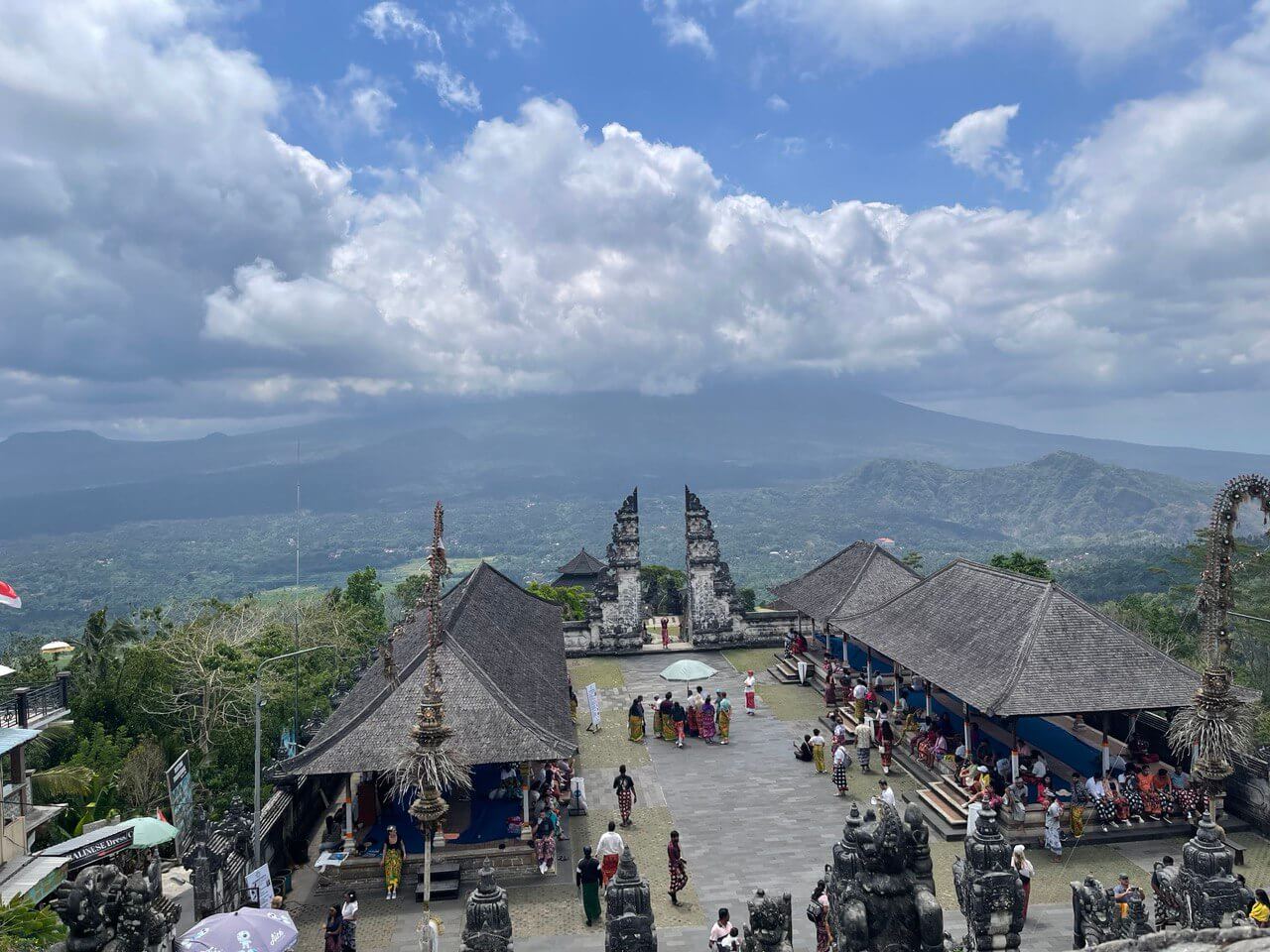
As I mentioned briefly, the local population is quite religious and speaks English well. They also have a decent knowledge of geography, at least recognizing countries and understanding where yours is located. Moreover, they are the most kind-hearted and friendly people I have ever encountered in all my travels. They are completely non-confrontational and polite, always ready to help. Even though Bali and Indonesia are not the wealthiest island and country, during our entire stay, we never saw any beggars.
You can see more real photos and videos of Bali on my Instagram account: shitik.sasha
